
BEAUJOLAIS: Humble, Joyful, yet Serious!
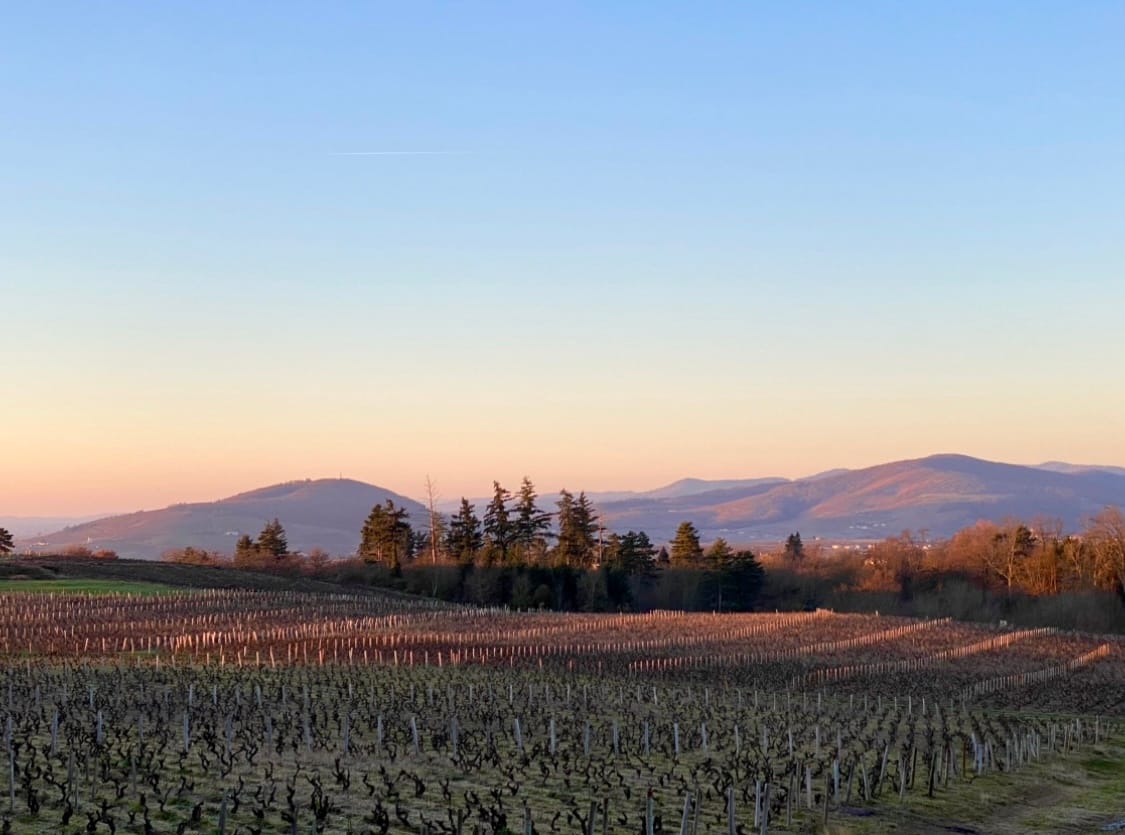
Beaujolais appellations 1/12
By Stuart Pigott – last revision: 03.04.26
Vineyard Area for Red Wine: 2,873 hectares (2024)
Proportion of Total Beaujolais Production: 26% (2024)
Appellation established: 1937
This posting is all about the red wines of the regional appellation. The last posting in the series will look at the whites and rosés of the region marketed under this appellation and Beaujolais-villages.
PART ONE: How Nouveau Brain-Washed Us, or New Beaujolais is NOT Liquid Bubblegum
To make sense of the wines of the “humble” Beaujolais appellation it helps to understand some fundamental aspects of the wines of this region that’s renowned for reds that are light-bodied, fruit-driven reds with a fresh acidity that must, Must, MUST be drunk young. That’s how all the region’s reds are perceived by the majority of consumers around Planet Wine, because that’s how Beaujolais Nouveau – the most famous / infamous wine of the region – usually smells and tastes. Now, let me make an Official Announcement, before I am accused of being a Wine Party Pooper: I’ve got nothing against Picnic Wines or wines that scream out YAHOO! It’s a celebration!
I regard the current situation of Beaujolais inmost places around Planet Wine is a classic example of Image Bleeding, that is the image of one narrowly defined class of product infects the image of everything else in the same broad category of products. For example, ladies leather handbags are not always expensive, but the prices charged for those sold by Chanel, Hermes and some other luxury brands has influenced the widespread perception that the entire category is only about status and snobbism (technical name: Veblen Goods). All tarred with the same brush!
The Image Bleeding that Beaujolais leads to red wines of the region that are NOT marketed as Nouveau getting Nouveau characteristics ascribed to them by consumers and professionals, regardless whether the wines actually possess these. My impression is that New Beaujolais are very diverse wines, only a minority conforming to the light, fruit-driven and fresh stereotype. The proportion of red wines that align with the stereotype is certainly higher for those sold under the regional Beaujolais appellation, but even here the diversity of style and character is striking. As we shall see in Part Three, but first we need to look at the grape, because that's what wine is made from!
PART TWO: Gamay has a Soul
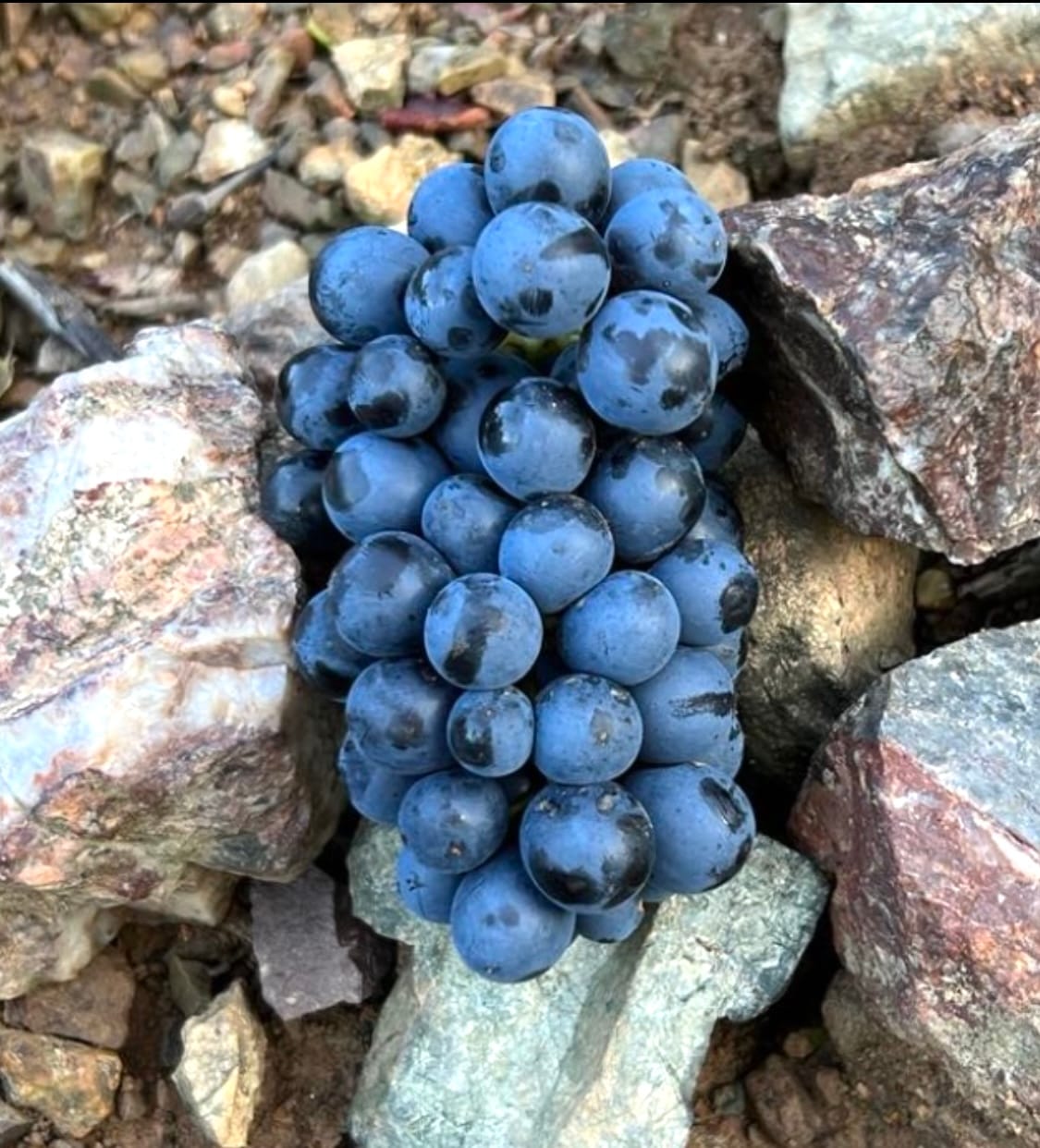
So, let’s turn to the one genuinely common factor for all red wines from the region: the Gamay grape. It is the foundation of all red Beaujolais, but what exactly is it about this grape that makes these wines stand out from, say, the reds made from Pinot Noir to the north in Burgundy? And what characteristics of Gamay make New Beaujolais unique?
A Cornucopia of Aromas
Firstly, Gamay has fantastic aromas. The most well known of these are the red fruits, most importantly sour cherry, strawberry and redcurrant. However, the range stretches from tart cranberry to ripe raspberry via wild strawberry. When grown in warmer locations (see the forthcoming story about Moulin-à-Vent), then black fruit aromas like black cherry and blackberry can take over. Notes of blueberry, blood orange and pomegranate are also possible.
Then there’s the wealth of floral aromas, of which violet, peony and rose are the most common. However, I sometimes noted iris, lilies or summer flowers (think of the smell of a garden on a warm summer evening!) The spicy notes of Gamay are generally subtle with liquorice more common than clove, cinnamon or allspice, but all of them are possible. Notes of dried herbs also pop up, most notably bay, thyme and tarragon. Depending on the way the wine was made aromas of savoury or soy sauce are also possible. Yes, bubblegum sometimes results from semi-carbonic fermentation – the dominant method used in Beaujolais – but I remember this aroma being way more common a generation ago than it is today.
So the aromatic range of Gamay without obvious notes from maturation in new oak barrels (e.g. bitter chocolate, coffee, vanilla and toast) is extremely wide. This strikes me as being something of beauty and value. Most industry experts agree with me that too much new oak character can easily obscure the fruit and floral aromas, and such wines are thankfully now rare in the region. I only turned up a couple out of the around 500 wines I tasted.
Beaujolais Passes the Acid Test
The other thing that marks the wines from the Gamay grape in Beaujolais is a lively acidity, that makes the wines taste brighter than those from the Pinot Noir, Syrah, Cabernet Sauvigon, Merlot and many other famous French red wine grapes. Please excuse the following winemaking technicalities, but they really help explain the central importance of this factor.
The most reliable way of measuring this is pH, which is a logarithmic scale, meaning that the acidity of a wine with a pH of 3.0 is 10 times as intense as one with a pH of 4.0. Note that the lower the pH the more pronounced the acidity! Generally, the pH of Beaujolais reds lies around 3.6, a figure which has drifted higher because climate change resulted in riper grapes. Beaujolais is lucky to have red wines with a healthy natural acidity. This also helps New Beaujolais reds feel bright when they have 14% or 14.5% alcohol, which both climate change and winemaker ambition have made more common.
Red Burgundy (Pinot Noir) wines generally have higher pHs than Beaujolais, and the upward drift of pHs has caused more problems there. This is because the danger zone for microbial spoilage in wine begins at pH 3.7 and the danger grows the higher the pH goes. I once tasted a red Burgundy from one of the Chambertin Grand Cru sites with pH 4.2, and it was a miracle the wine was clean! That wouldn’t have been possible without the addition of tartaric acid to the wine, which is normal practice and legal for red Burgundy wines. It’s now also quite common in Beaujolais.
It’s not widely realized, but pH / acidity also impacts colour. There are more colour compounds in the skin of the Gamay grape (technical name: anthocyanins) than in Pinot Noir, and they are more stable. Add to this the positive effect of lower pH / higher acidity plus low yields and you can see why most of young New Beaujolais wines have quite a deep ruby colour.
I Deeply Dig the Minerals
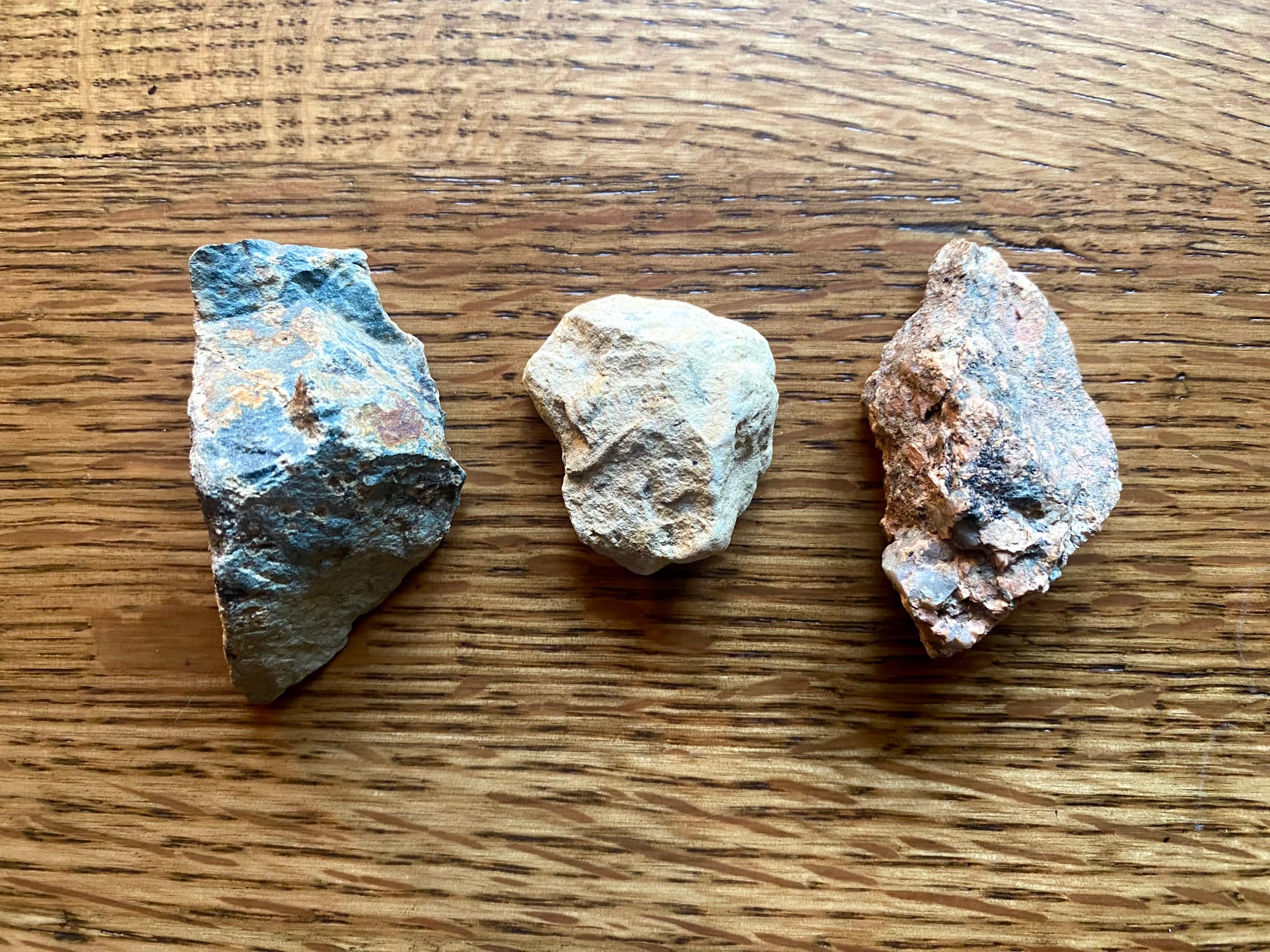
Then there are the mineral flavours ranging from wet stones (think of a waterfall in a cool forest or the mountains) to smoke via gently earthy and salty notes. I am not doing this to bash Burgundy, but I perceive some kind of mineral flavour way more frequently in red Beaujolais than I do in red Burgundy. My guess is that this has to do with the predominantly rocky soils of Beaujolais, and with the lower pH of the wines (also a promoter of mineral flavours in red wines from the Blaufränkisch grape and white Rieslings).
And I Love the Tannins!
Another aspect of Beaujolais’s image that has been influenced by Nouveau is the perception that the wines have little or no tannin. To demolish this myth let me turn to the highest rated red of the Beaujolais appellation I tasted. The Coer de Vendanges Vignes Centenaires 2024 from Pierre-Marie Chermette has terrific spicy and liquorice aromas that make it stand. It also has serious tannins, the well-rounded body deftly enveloping them. How come? The wine is from hundred-year-old vines, as the French name tells you.
All these factors together with the complexities of terroir (French for the taste of the place) result in what one winemaker enthusiastically described to me as FIFTY SHADES OF GAMAY.
Follow the Money!
Of course, they are light years removed from the simple, cheap Beaujolais that generally originates in the south of the region where those 2,873 hectares are predominantly situated (wines from the 10 Beaujolais Crus can also be declassified to Beaujolais or Beaujolais-Villages). This is not just a matter of terroir or wine styles though, but also of economics.
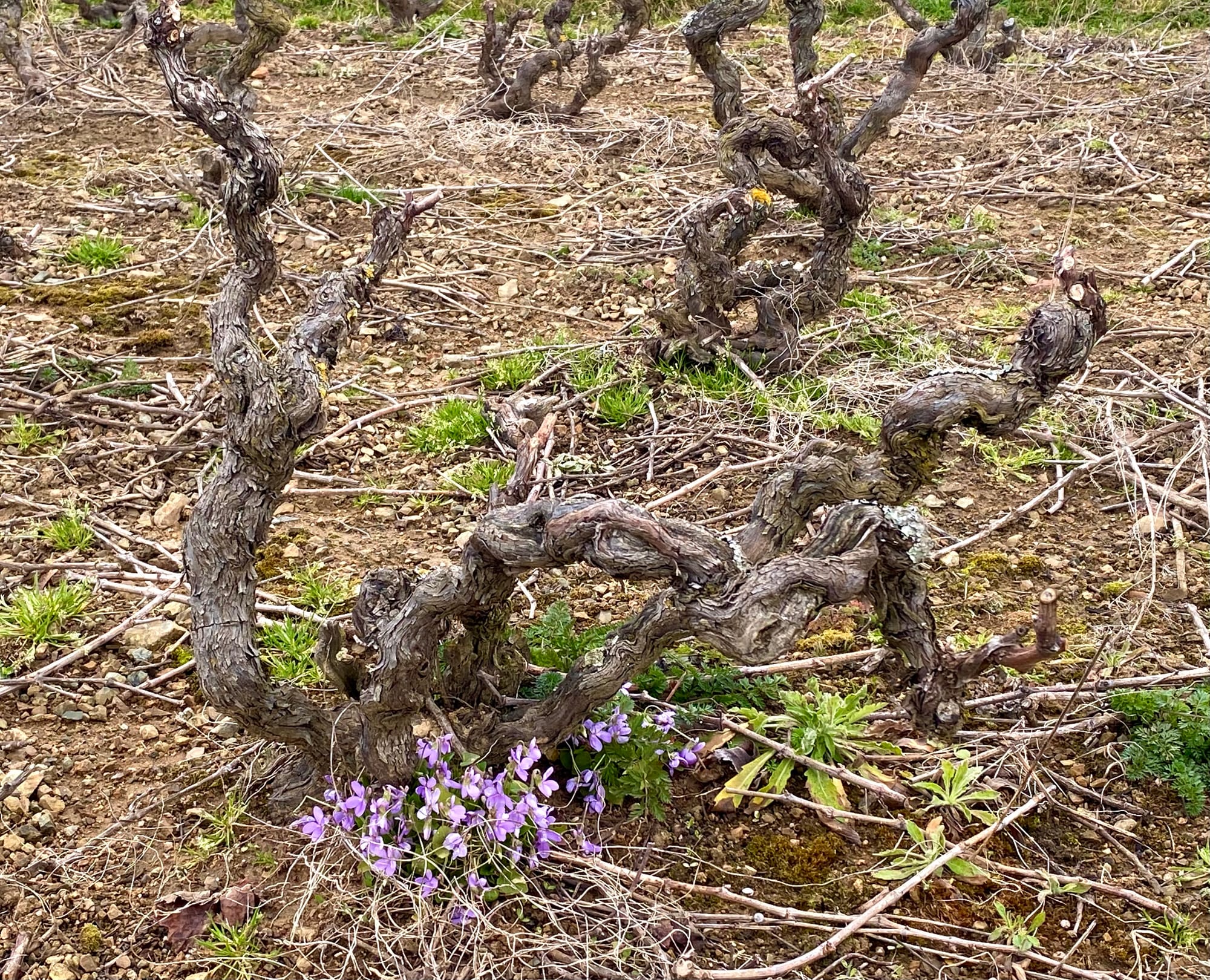
There’s a conflict between the low market price for grapes, young wines in bulk and bottled wines on the supermarket shelf on the one hand, and the rather high production costs on the other. The bush vine (technical name: goblet) cultivation system is well suited to the Gamay vine, but it’s labour intensive. Vineyards trained on trellises (poles with wires stretched between them) have been legal in the entire region since 2007, enabling some reduction in cultivation costs. It also enables mechanical weeding with tractors; the only alternative to the use of herbicides or hoeing by hand.
For red wine production using semi-carbonic fermentation the grapes must be hand-harvested: another cost factor. No wonder that vineyard area is declining. Just 4 years ago the area used for red wine production here was 3,643 hectares. If the shrinking process were to continue, then the 2,873 hectares would all be gone by 2040! That’s not going to happen, nor are prices in Beaujolai’s bargain basement going to close any time soon.
PS Pierres dorées, meaning golden stones, refers to a Geographically Controlled Designation (GCD), meaning a de facto sub-region of Beaujolais. The name domes from the way that walls made of the limestone that was long quarried here takes on a golden glow in the sunlight. That’s beautiful, even if the proximity to Lyon makes those walls and buildings very expensive: location, location, location!
The winemakers of Pierres dorées want to move up from using a GCD to having their own appellation, because they see it as a way out of their economic problems. That could be a long process, not least because the Pierres dorées is geologically diverse, with everything from granitic gneiss to limestone. The INAO, the French authority that grants (or refuses to grant) appellations loves geological homogeneity.
22 tasting notes, 2 with 93 points.
END OF THE VERSION AVAILABLE FREE OF CHARGE
ADDITIONAL MATERIAL ONLY FOR PAYING SUBSCRIBERS
But please read on as this is TRIAL MONTH and ALL CONTENT IS FREE!
PART THREE: Proof of Diversity
2025 REDS
Famille Girin Beaujolais Séduction de Gamay Noir 2025 – 12.5% / Effusive crushed red berry aromas including plenty of strawberries. Bold and vibrant, the slightly sappy tannins accentuating the crispness of the finish. 89 (SP)
Michel Guignier Beaujolais 2025 – 12.5% / Expressive violet and ripe strawberry aromas. Very juicy and supple, but not a jot loud. Beautiful balance, and more substance the most wines of this category. 91 (SP)
2024 REDS
Château de Pizay Beaujolais 2024 - 12.5% / At first a blast of bubble gum/banana aroma, then comes a wave of ripe strawberry, supported by gentle velvety tannins. Simple, but quite generous for the vintage. 88 (SP)
Pierre-Marie Chermette Beaujolais Coer de Vendanges Vignes Centenaires 2024 - 13% / The spicy and liquorice aromas of this wine make it stand out in the crowd, but so it should coming from century-old vines. Serious tannins, but the well-rounded body envelopes them, and there’s a fascinating twist of smokiness. Real power at the positively grainy finish (think of axe-split timber to get an idea of the texture). 93 (SP)
Domaine des Garcons Beaujolais 11°5 2024 – 11.5% / In spite of its lightness of body, this biodynamic Beaujolais is intensely earthy and herbal, these aspects dominating the red berry fruit. The tannins may be gentle, but the finish is self-confidently crisp and mineral. Surprisingly good structure and length for this humble category, so I expect this to develop for a couple of years in the bottle. 91 (SP)
Domaine de Petit Pérou Beaujolais tu m’tiens au jus 2024 – 12% / Very herbal and wild red berry, this is an expressive light wine with an engaging freshness. Quite some tannins at the emphatically dry finish. Slightly rustic. 88 (SP)
Domaine Riviere Beaujolais Pierre Dorées Saint Trys 2024 – ??% / This starts with a blast of red cherry and strawberry fruit, then the bitterness builds and is accentuated by slightly blunt, dry tannins. That’s a shame, because there’s a lot going on here. 89 (SP)
Georges Duboeuf Beaujolais Bio 2024 – 12% / The lightness and bright cherry fruit of the Gamay grape is married to soft tannins that give this organic Beaujolais positive warmth and a gentle dryness at the harmonious finish. 90 (SP)
Famille Girin Beaujolais Coteaux du Razet Vieilles Vignes 2024 – 12.5% / With its forthright red and black berry fruit plus a solid tannin structure, this makes a bold statement for what on paper is an entry-level wine. Well-integrated acidity at the self-confidently dry finish. 90 (SP)
Baptiste Monnet Beaujolais Nénesse 2024 – 12% / The generous red berry fruit is married to moderately dry tannins that make this feel bigger and bolder than it really is. Touches of liquorice and wet earth character add interest at the solid finish. 89 (SP)
Piron Beaujolais Les Cadoles 2024 – 12.5% / An attractive everyday Beaujolais that's brimming with cherry fruit, but not loud. The gentle tannins and soft acidity make it really easy-drinking. Good balance and surprising length. 90 (SP)
Antoine Viland Beaujolais Vieilles Vignes 2024 – 12.5% / Brimming with red berry aromas plus a hint of dried banana, this combines good depth for the category with the freshness that I also expect from it. Some velvety tannin gives this an appealing balance. 90 (SP)
Antoine Viland Beaujolais Pierres Dorées 2024 – 12.5% / I like the zesty red berry and blood orange flavours, but there’s also a forthright vegetal element and the tannins are quite rustic, particularly at the tart finish. 84 (SP)
Du Vin à l’Ame (Caroline & Alexandre Savoye Stehly) Beaujolais Pierres Dorées Céleste 2024 – 12% / Self-confidently smoky and funky, vegetal and tart, this uncompromising expression of the Gamay grape could excite natural wine fans, but others may find it too challenging. With plenty of aeration some nice red berry and lemon fruit emerges. A heavy bottle. 88 (SP)
2023 REDS
Célia et David Large Beaujolais Gamayhameha 2023 – 13% / Deeply savoury, this makes me think of the Japanese soy sauce and old balsamic vinegar, but it also has a deep well of wild blackberry fruit. With its ample body and concentration, plus a velvety texture this radically redefines the category! Crisp and mineral acidity at the finish. 93 (SP)
Château des Ravatys Beaujolais Rouge 2023 – 13% / With its ample wild blackberry and sour cherry fruit plus a very solid base of tannins this is a serious wine for the category. Nice freshness at the liquorice and savoury finish. 91 (SP)
Domaine Patrice Arnaud Beaujolais Pierres Dorées Les Oncins Vieilles Vignes 2023 – 14% / A very serious, nicely maturing wine for the appellation with complex aromas of clove, star anise and dried sage. Compact and well-structured, this easily carries the ample body. Crisp and moderately dry finish with savoury complexity. 91 (SP)
Vignerons des Pierres Dorées Beaujolais Pierres Dorées Coeur de Granit 2023 – 12.5% / How couldn’t you like the forthright red cherry fruit of this crisp and animating Beaujolais? Nice mid-palate juiciness and moderately dry tannins. A little bit simple, but there’s no denying the charm. 89 (SP)
Vignerons des Pierres Dorées Beaujolais La Rose Pourpre Vieilles Vignes 2023 – 13% / Calling this the purple rose was a clever choice, because it really does smell that way. The ripeness of the vintage is married to velvety tannins and an animating freshness. And in spite of the structure this is very appealing. 90 (SP)
2020 REDS
Vignerons des Pierres Dorées Beaujolais Les Pépites Schiste 2020 – 11.5% / Now fully mature, this is mellow and zesty, savoury and stony. Yes, it has a certain lightness of body, but it’s also well structured. Needs drinking soon. 90 (SP)
Vignerons des Pierres Dorées Beaujolais Les Pépites Piérre Bleue 2020 – 12.5% / This serious Beaujolais has what a lot of people associate with Morgon: a striking combination of mineral power, healthy tannins and freshness. Fascinating elderberry, dried cherry and old balsamic vinegar aromas. Quite some drive at the long finish for just 12.5% alcohol! 91 (SP)
Vignerons des Pierres Dorées Beaujolais Les Collines Altières 2020 – 13% / A seductive wine for this appellation with attractive aromas of raspberry, strawberry and Amarena cherry. Full velvety tannins and a long mellow finish. From over 70 year old vines growing on granite and volcanic soils. Matured in demi muid oak casks. 91 (SP)